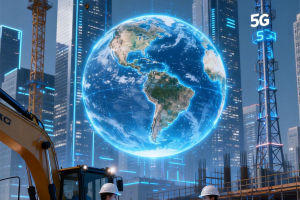
Imagine a city where traffic flows seamlessly, waste is automatically sorted, energy is used efficiently, and citizens interact with their environment through smart technology.
This is not a far-off dream, but rather the future of urban living — the rise of smart cities. As technology advances, cities around the world are evolving into more connected, efficient, and sustainable spaces.
From sensors embedded in infrastructure to the integration of artificial intelligence (AI), the future of cities is being shaped by innovation.
So, what exactly does this future hold, and how will it impact the way we live, work, and play?
The Core Components of a Smart City
The concept of a smart city is built around technology and data that work together to improve quality of life, sustainability, and operational efficiency. Here are the key components that make a city "smart":
- Internet of Things (IoT) Integration
The backbone of a smart city is IoT technology, which connects everyday objects — from traffic lights to water meters — to the internet. This data allows city systems to communicate with each other and with citizens, creating a more streamlined and efficient environment.
- Sustainable Infrastructure
Smart cities prioritize energy efficiency, utilizing renewable sources such as solar or wind power, smart grids, and energy-efficient buildings. This reduces the carbon footprint of cities and helps them become more sustainable.
- Smart Transportation
Transportation systems in smart cities are designed to reduce congestion and improve accessibility. AI-driven traffic lights, autonomous vehicles, and smart parking systems can ensure that people and goods move efficiently through urban spaces.
- Data-Driven Decision Making
City planners and governments use data collected from IoT devices to make informed decisions about everything from waste management to public safety. This real-time data enables quick responses to issues, such as traffic accidents or environmental hazards, making cities more resilient.
- Enhanced Connectivity and Communication
In a smart city, digital communication tools ensure that residents are always informed. From mobile apps to public service notifications, citizens are kept up-to-date with everything from local news to urgent public health updates.
The Benefits of Smart Cities
The advantages of smart cities go far beyond just technology. As urban areas integrate more innovative solutions, several key benefits emerge:
- Improved Quality of Life
With the ability to connect and monitor public services, smart cities provide more convenient and efficient services to residents. For instance, energy-efficient buildings lower utility costs, and smart healthcare systems improve patient care.
- Environmental Sustainability
By adopting green technologies and sustainable practices, smart cities help reduce environmental impact. Waste management systems can automatically sort recyclables, and renewable energy sources decrease reliance on fossil fuels.
- Reduced Traffic and Congestion
Through smart transportation networks, cities can effectively manage traffic flow, reduce congestion, and minimize travel time. Additionally, autonomous vehicles and shared mobility options provide more sustainable transportation alternatives.
- Better Urban Planning
Data-driven insights allow city planners to optimize the use of space and resources. Smart cities are designed to accommodate population growth, while also offering high-quality public spaces and amenities for citizens.
Challenges and Considerations
While the future of smart cities is undoubtedly exciting, there are challenges that need to be addressed:
- Data Privacy and Security
With the vast amount of data being collected, privacy concerns must be prioritized. Smart cities need robust security systems to protect personal data from cyberattacks and misuse.
- Digital Divide
Not all residents may have equal access to the technology that powers smart cities. Ensuring that all citizens benefit equally from technological advancements is crucial to avoiding social inequality.
- Cost and Implementation
The transition to a smart city requires significant investment in infrastructure and technology. Governments must find ways to fund these projects while ensuring that the benefits are widely distributed.
Conclusion: A Smart Future Awaits
The rise of smart cities is more than just a trend; it's a transformative shift in how we live in urban environments. These cities are designed to be more sustainable, efficient, and connected, offering a better quality of life for residents. As technology continues to evolve, so too will the opportunities for cities to become smarter, safer, and more resilient.
However, it's crucial that these advancements are implemented thoughtfully, with careful consideration of privacy, equity, and cost. As we look to the future, one thing is clear: the smart city is not just a vision, but an inevitable part of our urban evolution.